|
|
|
|
|
|
SERVICES
|
|
|
Education
|
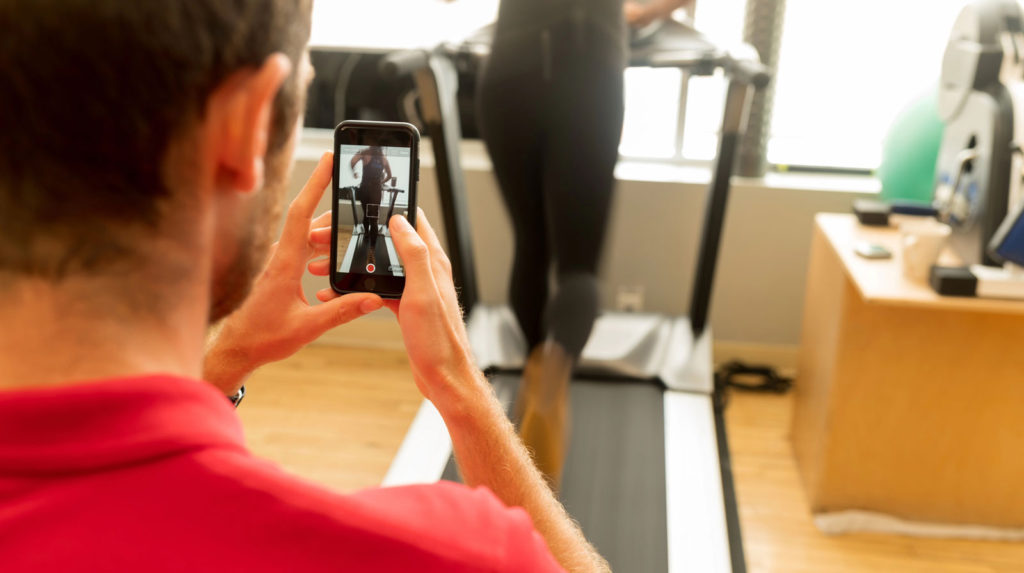
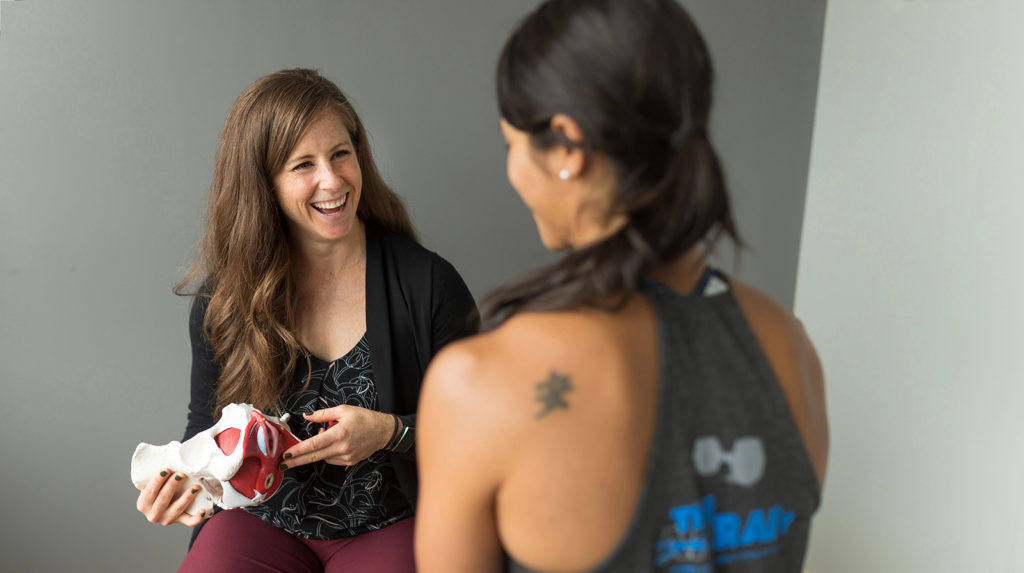
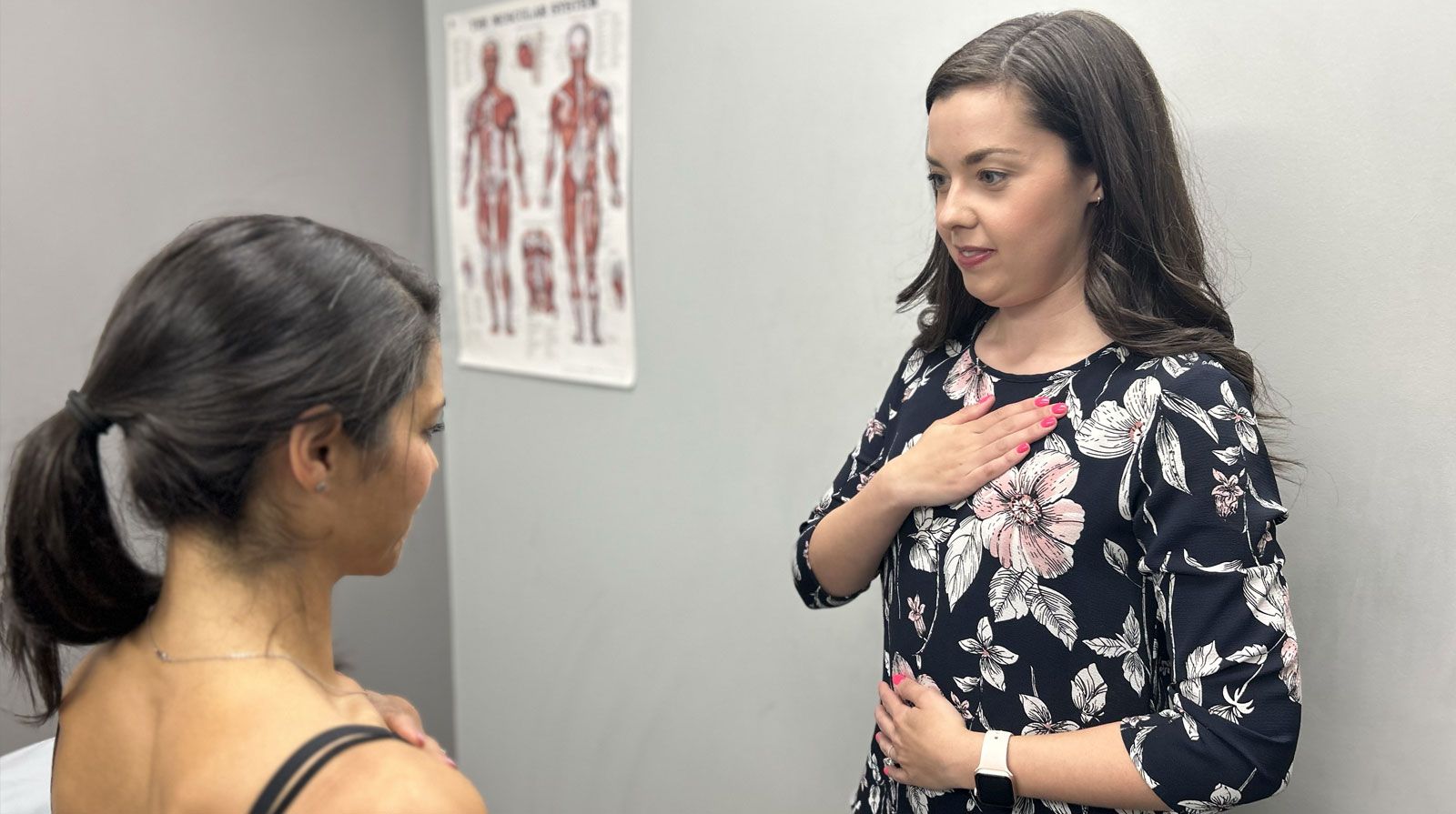
Physiotherapists educate their
patients about their conditions.
Patients need to know what they can
do to help themselves get better.
Equally as important, patients need
to know what to avoid so they don't
cause themselves harm. By analyzing
typical daily activities, the
physiotherapist educates the
patient about the "do's" and
"don'ts". Empowering patients with
knowledge about their condition
helps prevent the problem from
coming back.
|
Exercise
|
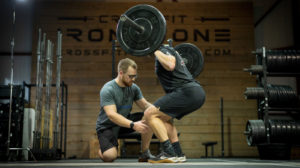
Physiotherapists design exercise
programs that enable the patient to
stretch tight muscles, strengthen
weak muscles, and increase joint
motion. Physiotherapists use manual
therapy techniques to increase
joint motion, muscle flexibility,
and nerve mobility. These gains can
be lost if the patient doesn't have
the appropriate exercises. Exercise
prescription needs to be
individualized. Each patient is
unique. Each patient's injury is at
a different stage of healing. The
patient's goals, overall
conditioning, previous injuries all
need to be considered by the
physiotherapist as exercises are
added or progressed. How many
repetitions and how much weight are
typical questions that can't be
answered by an exercise sheet or
the on-line exercise programs. Your
physiotherapist knows which
exercises are best for you, how
they should be performed, and how
many repetitions.
|
|
|
|
Manual Therapy
|
|
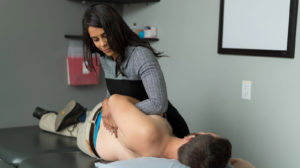
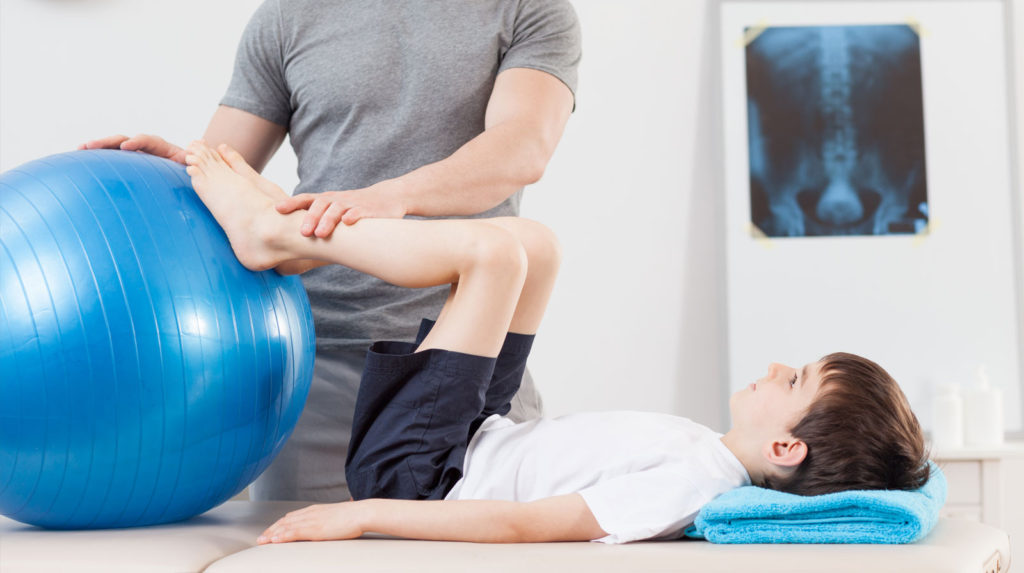
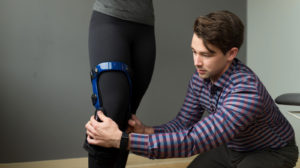
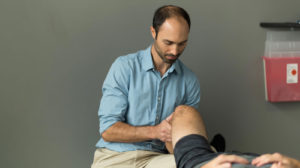
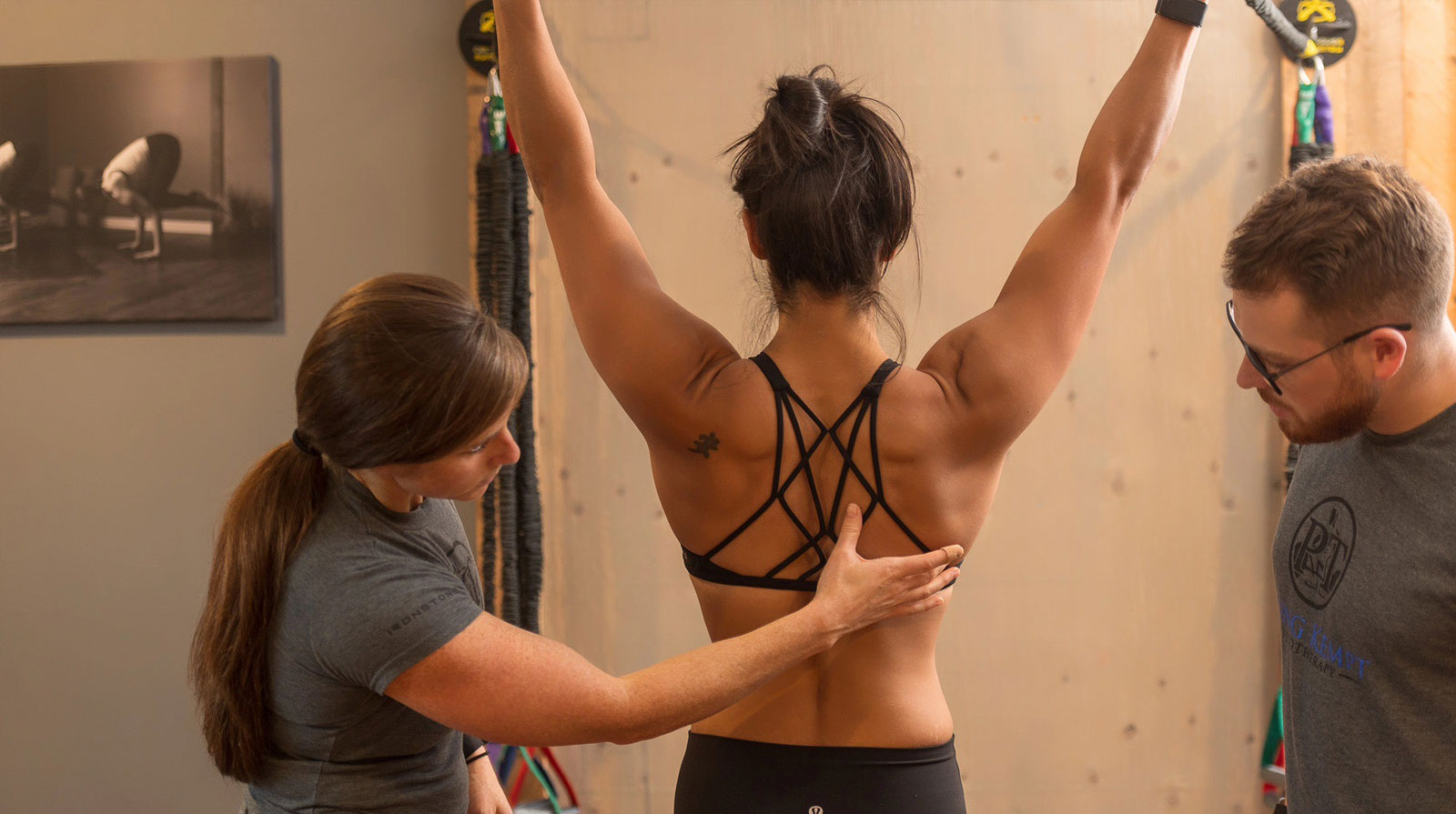
Manual therapy encompasses
physiotherapy techniques that are
performed by the hands of the
physiotherapist to the patient's
tissues. Manual therapy techniques
performed by physiotherapists
include:
- Joint mobilization: When a
joint is stiff, often a patient
cannot move the joint through its
full range of motion. Joint
mobilization is the physiotherapist
moving the joint through range,
often including the restricted
range to free the joint. Joint
mobilizations can be gentle or
aggressive, depending on the
irritability of the joint.
- Joint manipulation: When a
quick thrust is applied at the end
of range of motion of a restricted
joint, to restore range of motion,
it is called a joint manipulation.
- Muscle stretching: Tight
muscles can restrict joint
movement. Following a warm up, a
physiotherapist can stretch a tight
muscle and improve is flexibility.
The patient is then educated how to
safely stretch the tight muscle at
home to maintain the movement
gained at physiotherapy.
- Nerve mobilization: Nerves
travel from the spine to the tips
of the fingers and toes. Nerves
pass through soft tissues such as
muscles and fascia. Nerve movement
can become restricted if they
become tethered at soft tissue
interfaces. Physiotherapists
perform techniques to free up the
nerves' mobility.
- Massage: Physiotherapists use
their hands to manipulate soft
tissues such as muscles and fascia.
Massage can help muscles relax,
reduce swelling, improve
circulation, and reduce pain.
|
|
Massage Therapy
|
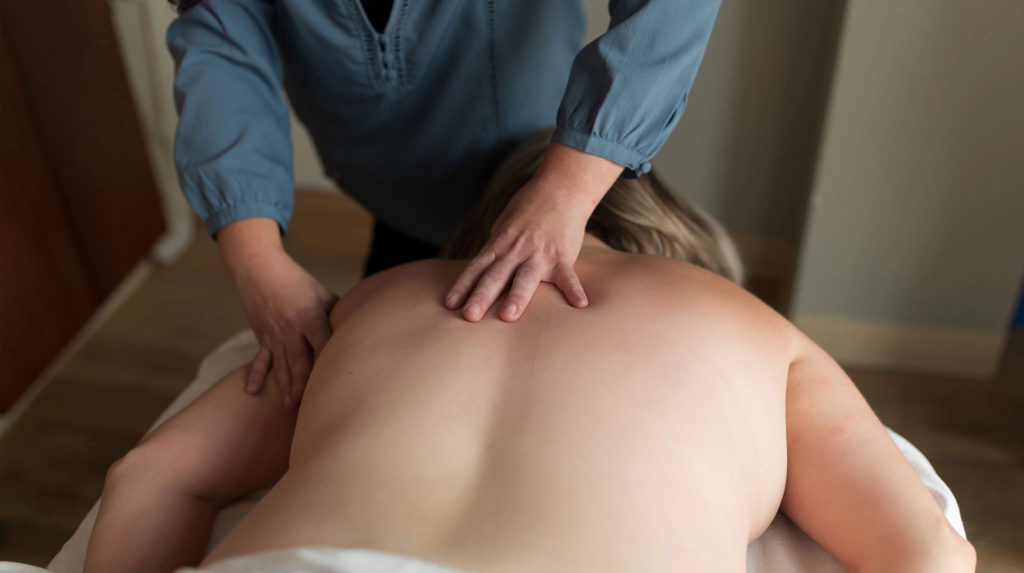
 Massage Therapy is the practice of manipulation of soft tissue. It not only incorporates massage for relaxation but also for therapeutic use. It includes a variety of techniques: effleurage, petrisauge, and tapotement. Other types of treatment that fall into our scope of practice are manual lymph drainage, Sukodo, Myofacial Release and Trigger Point Release. Massage Therapy can benefit people with arthritis, sports related injuries, stress, motor vehicle accident injuries, fibromyalgia, chronic pain and various other symptoms and syndromes.
|
|
|
|
Acupuncture
|
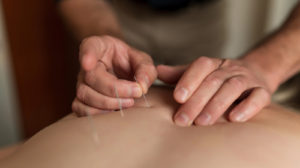
Acupuncture is one of the oldest,
most commonly used medical
procedures in the world.
Originating in China more than
3,000 years ago, acupuncture has
become better known in the Western
world since the 1970's. Acupuncture
involves stimulation of anatomical
points on the body by a variety of
techniques. The most commonly used
acupuncture technique involves
penetrating the skin with thin,
solid, metallic needles that are
manipulated by the hands or by
electrical stimulation. Most people
feel no or minimal pain as the
needles are inserted. Depending on
which points are used, some people
are energized by treatment, while
others feel relaxed. This modality
is used to promote circulation in
an area to aid in tissue repair,
pain relief and restoration of
normal joint movement.
|
|
Muscle Stimulation
|
|
EMS stands for Electrical Muscle
Stimulation. This is used to aid in
contracting a specific muscle that
needs to be strengthened. It may
also be used to prevent or reduce
muscle weakness.
|
|
|
|
MODALITIES
|
|
Laser
|
LASER stands for Light
Amplification by Stimulated
Emission of Radiation. The
application of light to injuries
and lesions stimulates healing and
increases the quality and tensile
strength of tissue repair. The
light is absorbed into the cell
creating energy that produces
biological materials that help heal
and repair damaged cells and
tissues. LASER is used in wound
care, tissue repair, inflammatory
conditions and pain control.
|
|
Ultrasound
|
One of the most common modalities
used in rehabilitation. Ultrasound
is used to stimulate the repair of
injured tissue and relieve pain. It
uses high frequency sound waves,
which cause molecules in the tissue
to vibrate, producing heat and
mechanical energy. This is
sometimes termed a "micro massage".
Ultrasound can be applied directly
to the skin with a coupling gel or
through a water medium. This
modality can be used to treat soft
tissue injuries, sports injuries,
back and neck conditions, and many
more injuries, all ranging from
acute to chronic conditions.
|
|
|
|
TENS
|
|
TENS stands for Transcutaneous
Electical Nerve Stimulation. TENS
involves the passage of mild
electrical currents through
electrodes placed in various
orientations on the skin over an
affected area. This current is
delivered to the electrodes by a
small, portable battery-operated
power pack connected to flexible
wires. TENS is a non-addictive,
non-invasive method of pain
control. It is believed to work by
interfering with the transmission
of pain messages to the brain, and
aiding in the release of
endorphins, the body's natural pain
killer.
|
|
IFC
|
|
IFC stands for Interferential
Current. IFC is a form of
electrical stimulation used to
treat pain, aid in tissue healing,
and control swelling. As with TENS,
tiny electrical impulses are
induced into the tissues in the
injured or painful area. This
modality uses a variety of
frequencies and most patients
equate its sensation to that of a
light massage. IFC has the
potential to reach deeper tissues
than TENS.
|
|
|
|
Short Wave
Diathermy
|
|
Short Wave Diathermy is the
therapeutic application of high
frequency alternating current. It
uses radio-frequency
electromagnetic fields to aid in
the healing of tissues by providing
deep heat to a large area of the
body that is placed under
conductance plates. The heat energy
obtained from the wave is used for
giving relief to the patient. The
sensation is described as a mild,
comfortable, deep warmth.
|
|
|
|
|
|
|